
There is a specific, electric moment in New York City that occurs every year, usually around mid-April. It’s not marked by a holiday or a parade, but by a sound: the rhythmic clack-clack-clack of folding metal chairs being unleashed onto the pavement. It’s the sound of the city exhaling. After months of huddling in steam-fogged windows and ducking into subterranean speakeasies to escape the biting Atlantic wind, New Yorkers finally reclaim the asphalt.
Welcome to Sidewalk Season.
For decades, outdoor dining in New York was a polite suggestion—a handful of cramped tables behind a velvet rope in the West Village or a breezy terrace on the Upper West Side. But today, the city has undergone a tectonic shift. The streets are no longer just for cars; they are for carbonara, conversation, and the chaotic, beautiful theater of urban life. As we step into the spring of 2026, the “Streetery” has evolved from a desperate pandemic-era lifeline into a permanent pillar of New York culture.
Grab a seat, order an espresso (or a spicy marg), and let’s trace the journey of how New York City learned to eat under the open sky.
The European Ghost: A History of NYC Al Fresco
To understand where we are, we have to look at the ghosts of New York past. For a long time, the powers-that-be in NYC were strangely allergic to outdoor dining. While Paris had its grand boulevards and Rome had its piazzas, New York’s streets were viewed through the lens of pure utility. They were for moving goods, moving people, and—let’s be honest—moving trash.
In the late 19th century, the closest things we had to outdoor dining were the German beer gardens of the Lower East Side and the “pleasure gardens” of Upper Manhattan. These were enclosed spaces, shielded from the dust and horse manure of the actual street. It wasn’t until the early 20th century, particularly in Greenwich Village, that the “sidewalk cafe” began to whisper its way into the city’s vernacular.
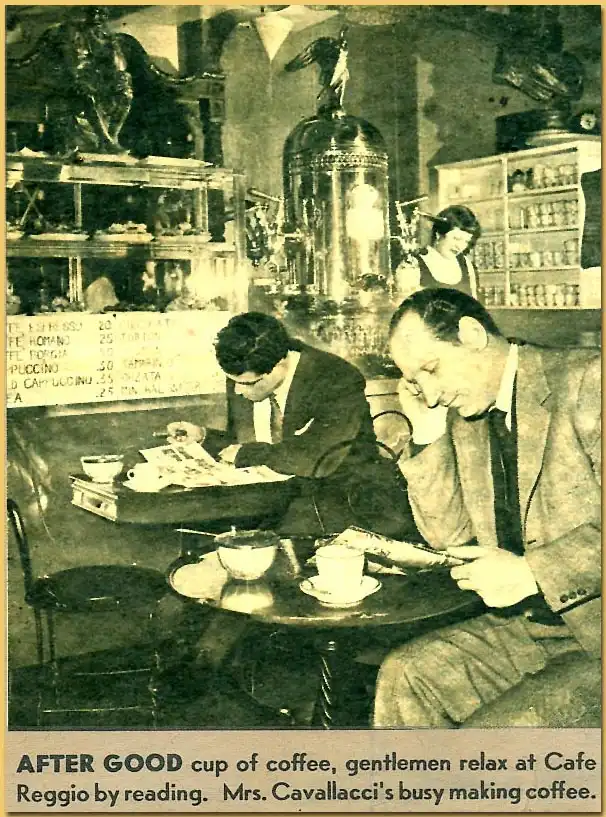
Establishments like Caffe Reggio, which opened in 1927, brought the Italian espresso tradition to MacDougal Street. Even then, the “sidewalk” part was often a legal gray area. For much of the 20th century, if you wanted to put a table on a New York sidewalk, you needed to navigate a labyrinth of Department of Consumer Affairs permits that were notoriously difficult to obtain. The city’s stance was clear: the sidewalk was a thoroughfare, not a dining room. Outdoor dining was seen as a luxury for the wealthy or a niche for the bohemian, not a birthright for the average New Yorker.
The Great Transformation: 2020 and the “Open Restaurants” Revolution
Fast forward to March 2020. The world stopped. In New York, the “City That Never Sleeps” went into a forced coma. For the hospitality industry—the heartbeat of the city—it was an existential threat. Thousands of restaurants were on the brink of permanent closure.
Then came the Open Restaurants Program. In a rare moment of bureaucratic agility, the city government realized that if people couldn’t eat inside, the only way to save the industry was to let them eat outside. Almost overnight, the red tape vanished. Parking spaces were traded for tables. Plywood became the most valuable commodity in the five boroughs.
What started as a desperate measure sparked a design revolution. We saw the birth of the “Streetery.” Initially, they were humble: just some orange traffic cones and a few wobbly tables. But within months, they transformed into elaborate structures. We saw “winterized” bubbles on the Upper East Side, tropical shacks with thatched roofs in the East Village, and sophisticated glass enclosures in Midtown.
New Yorkers, known for being a bit cynical, fell head over heels in love. We realized that the street was more interesting when filled with people laughing over wine than when filled with parked SUVs. We traded the hum of idling engines for the clink of silverware. The “Europeanization” of New York was no longer a dream; it was happening on every corner from Astoria to Arthur Avenue.
The Architecture of the Streetery: From Plywood to Permanent
By 2023 and 2024, the conversation shifted from “How do we survive?” to “How do we make this look good?” The city began to implement the “Dining Out NYC” program, the country’s largest permanent outdoor dining initiative.
This new era brought a set of rules designed to balance the charm of outdoor dining with the practicalities of city life (like drainage and rat mitigation). The “sheds” of 2021, some of which had become a bit dilapidated, were replaced by lighter, more open designs. The current 2026 landscape features:
- The Roadway Cafes: These occupy the “floating” lane next to the sidewalk. They are now required to be modular, meaning they can be moved for street cleaning or during the winter months (the new “seasonal” model).
- The Sidewalk Cafes: These are the classic tables hugging the building facade, now more regulated to ensure there’s plenty of room for pedestrians, strollers, and wheelchairs to pass by.
The design of these spaces has become a badge of honor for restaurant owners. You’ll see custom ironwork, lush vertical gardens that act as noise barriers, and integrated heating systems that make a chilly April evening feel like a balmy July night.
The Social Fabric: Why We Can’t Go Back
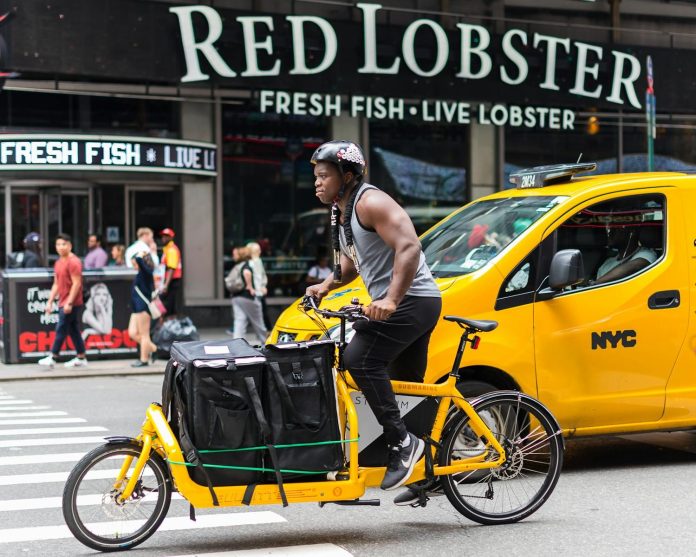
Beyond the economics, the outdoor dining boom changed the feeling of New York. It made the city feel more communal. When you dine on the sidewalk, you are part of the city’s choreography. You see the dog walkers, the delivery bikers, the fashionistas on their way to a gallery opening, and the elderly couples who have lived in the neighborhood for fifty years.
In neighborhoods like Hell’s Kitchen (9th Avenue) or Williamsburg (Bedford Avenue), the density of outdoor seating has created a “festival” atmosphere that exists every night of the week. It has democratized the view. You don’t need a penthouse suite to enjoy the sunset hitting the Chrysler Building; you just need a table at a bistro on a side street in Long Island City.
The Challenges: Rats, Noise, and the “Great Parking War”
Of course, being a “city-smart” New Yorker means acknowledging the friction. The transition hasn’t been without its critics. Residents in high-density areas have voiced concerns about noise levels late at night. There’s also the ongoing “parking war”—the tension between residents who want to keep their street parking and the restaurants that want to use that space for seating.
And then, there’s the issue of our four-legged “neighbors.” The early, enclosed sheds were criticized for creating habitats for rats. The new 2026 regulations have addressed this by mandating “open-air” designs that don’t allow for debris to collect underneath, ensuring that our dining experiences remain as sanitary as they are scenic.
A Spring 2026 Bucket List: Where to Eat Al Fresco Right Now
If you’re looking to experience the absolute best of “Sidewalk Season” this spring, here are a few spots that embody the new spirit of the city:
- St. Marks Place, East Village: This street has essentially become one giant outdoor food hall. From Japanese izakayas to classic pizza joints, the energy here is unmatched.
- Smith Street, Brooklyn: For a more laid-back, “neighborhood” vibe, Smith Street offers gorgeous backyard patios and sophisticated sidewalk setups that feel quintessentially Boerum Hill.
- The Meatpacking District: If you want “high-fashion” outdoor dining, the cobblestone streets here are now largely pedestrianized, allowing for expansive, elegant seating areas under the shadow of the High Line.
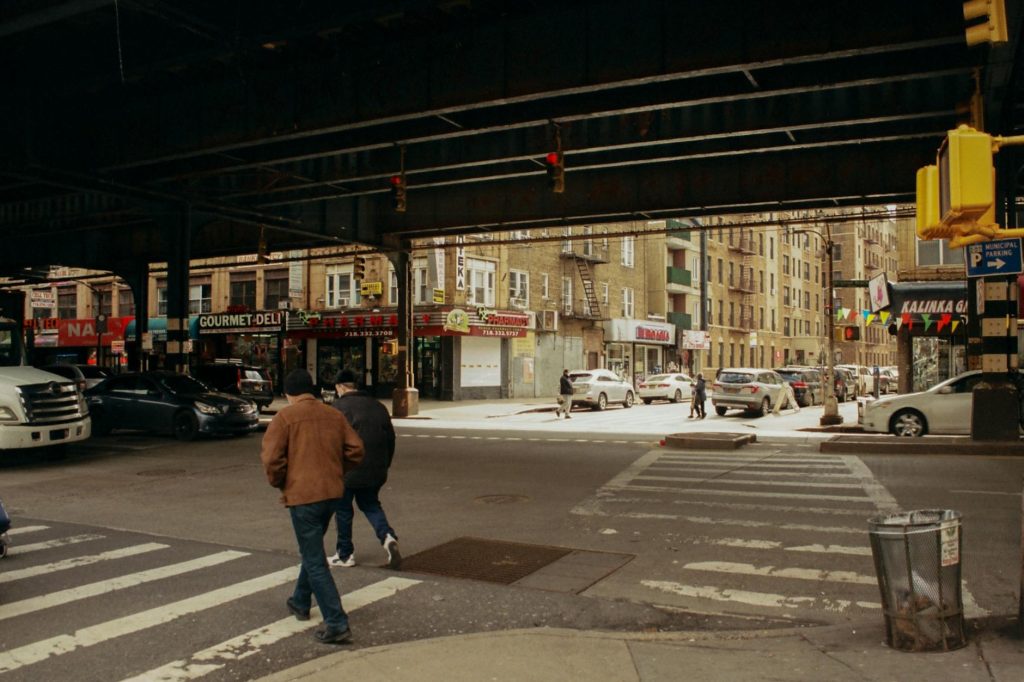
- Arthur Avenue, The Bronx: For a taste of the “Old World,” the Little Italy of the Bronx has embraced outdoor dining with a gusto that makes you feel like you’ve been transported to a piazza in Naples.
Conclusion: The Street is the Stage
Spring in New York City is a reminder of the city’s incredible resilience. We took a global crisis and turned it into an opportunity to reinvent our relationship with the public square. The “Streetery” is more than just a place to eat; it’s a statement that New York belongs to the people who live, breathe, and dine in it.
So, this week, I encourage you: don’t just walk past that sidewalk cafe. Pull up a chair. Engage in the grand New York tradition of people-watching. Order that second appetizer. Because in this city, the best show in town isn’t on Broadway—it’s right there on the corner of 5th and Main.
Until next time, keep exploring the Big Apple!
What’s your favorite neighborhood for people-watching while you eat? Or do you have a ‘hidden gem’ streetery that I missed? Let’s chat in the comments!

